

Anterior cruciate ligament (ACL) tears are common knee injuries, particularly in athletes and physically active individuals. When surgical treatment is indicated, ACL reconstruction is commonly performed to restore knee stability by replacing the torn ligament with a tendon graft.
But reconstruction involves more than selecting a graft. A critical part of the procedure is graft fixation—securing the graft within the femoral and tibial tunnels so that it remains stable during healing and ligamentization.
This article explains how ACL reconstruction works, the main graft fixation methods, and the factors that influence fixation selection.
What Is an ACL Reconstruction?
ACL reconstruction is a surgical procedure used to restore stability after a torn anterior cruciate ligament. Rather than repairing the damaged ACL in most cases, the surgeon typically replaces it with a tendon graft.
Depending on the surgical plan and patient factors, grafts may be obtained from sources such as the patellar tendon, hamstring tendons, quadriceps tendon, or an allograft.
During reconstruction, the surgeon generally:
- Removes or prepares the damaged ACL tissue as appropriate.
- Harvests or prepares the selected tendon graft.
- Creates bone tunnels in the femur and tibia.
- Positions the graft through the tunnels.
- Fixes the graft securely at the femoral and tibial sides.
- Allows the graft to undergo biological incorporation and remodeling.
Among these steps, secure graft fixation is essential for maintaining initial stability during the early stages of healing.

How Is the ACL Graft Fixed?
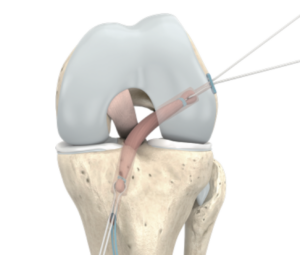
After the graft has been positioned through the bone tunnels, it must be secured to prevent unwanted movement.
Several fixation techniques are available. The choice depends on the graft type, tunnel configuration, bone quality, surgical technique, and surgeon preference.
Common ACL graft fixation methods include:
- Interference screw fixation
- Cortical button fixation
- Suture-based fixation
- Combined or hybrid fixation techniques
The femoral and tibial sides may use different fixation approaches depending on the reconstruction technique.
Interference Screw Fixation
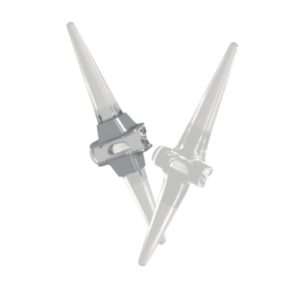
An interference screw is placed between the graft and the wall of the bone tunnel to secure the graft in position.
This technique provides direct fixation within the tunnel and is widely used in ACL reconstruction, particularly with bone–patellar tendon–bone grafts and certain soft-tissue graft techniques.
Depending on the surgical system, interference screws may be available in different materials and designs, including bioabsorbable or non-absorbable options.
Important considerations include:
- Screw diameter and length
- Tunnel size
- Graft type
- Bone quality
- Graft positioning
- Screw placement technique
Proper sizing and positioning are important to achieve stable fixation while minimizing potential complications.
Cortical Button Fixation
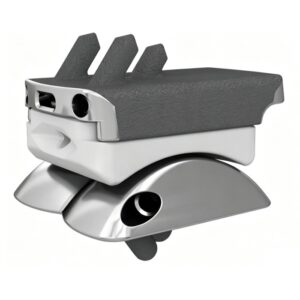
Cortical button fixation secures the graft against the outer cortical surface of the bone.
It is commonly used for femoral fixation in ACL reconstruction, particularly with soft-tissue grafts. The graft is passed through the femoral tunnel and secured using a button positioned on the cortical surface.
Potential advantages include strong cortical fixation and adaptability to certain tunnel configurations.
The fixation system must be appropriately selected according to the surgical technique, tunnel length, graft preparation, and available bone.
Femoral vs. Tibial Graft Fixation
The femoral and tibial sides present different anatomical and mechanical considerations.
-
Femoral fixation
Femoral fixation may involve:
- Cortical buttons
- Interference screws
- Suspensory fixation devices
- Other fixation systems
The fixation method is influenced by tunnel placement, graft type, and the reconstruction technique.
-
Tibial fixation
Tibial fixation may involve:
- Interference screws
- Post-and-washer techniques
- Suture-based fixation.
- Other supplemental fixation methods
Because the tibial tunnel is generally longer and the graft may experience different loading conditions, fixation stability is an important consideration when selecting the fixation method.
What Factors Influence ACL Graft Fixation?
There is no single fixation method that is appropriate for every ACL reconstruction. Surgeons may consider several factors when selecting a fixation system.
1. Graft type
The mechanical properties and dimensions of the graft influence fixation selection.
For example, soft-tissue grafts and bone–patellar tendon–bone grafts may require different fixation strategies.
2. Bone quality
Bone density can affect the purchase and stability of fixation devices. This is particularly relevant when selecting fixation methods that rely on screw engagement within the bone.
3. Tunnel configuration
Tunnel diameter, length, orientation, and position can influence the choice of fixation technique and implant dimensions.
4. Surgical technique
Different ACL reconstruction techniques may require different fixation solutions. The fixation method should therefore be compatible with the overall surgical approach.
5. Initial fixation stability
The fixation construct should provide sufficient initial stability to maintain graft position during the early healing period.
Graft Passage
Interference Screw vs. Cortical Button
Interference screws and cortical buttons use different fixation principles.
| Feature | Interference Screw | Cortical Button |
| Fixation principle | Compression within the bone tunnel | Suspensory fixation at the cortical surface |
| Common application | Femoral or tibial fixation | Frequently used for femoral fixation |
| Graft fixation location | Within the tunnel | At the cortical surface |
| Key considerations | Screw size, tunnel dimensions, bone quality | Tunnel length, button position, graft preparation |
The choice between these approaches depends on the reconstruction technique, graft characteristics, tunnel anatomy, and surgeon preference rather than one method being universally superior.
What Are the Key Considerations During ACL Reconstruction?
Successful ACL reconstruction involves more than choosing a fixation device. Surgical planning typically considers graft selection, anatomical tunnel placement, fixation stability, and the patient’s individual characteristics.
From an implant perspective, fixation systems should be designed to provide reliable mechanical fixation while supporting the requirements of the selected reconstruction technique.
Appropriate implant sizing, correct positioning, and compatibility between the fixation device and graft are also important considerations.
ACL Reconstruction and Graft Fixation Solutions
Modern ACL reconstruction systems may combine different fixation technologies to address femoral and tibial fixation requirements.
Depending on the surgical technique, an ACL reconstruction solution may include components such as:
- Interference screws
- Cortical fixation devices
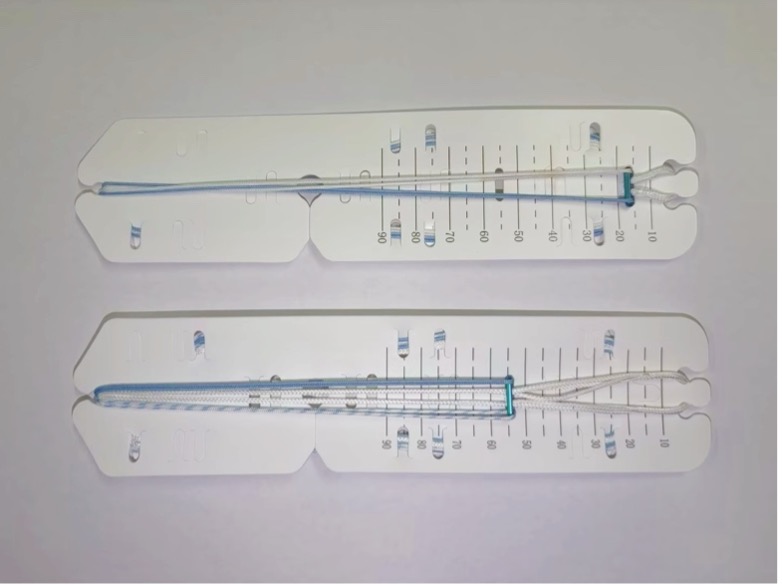
- Suture-based fixation devices
- Graft preparation and fixation accessories
ACL Reconstruction Solution
The appropriate combination depends on the reconstruction technique and the surgeon’s preferred fixation strategy.
For healthcare professionals looking for ACL reconstruction solutions, Double Medical provides orthopedic sports medicine products designed for different reconstruction and fixation requirements.
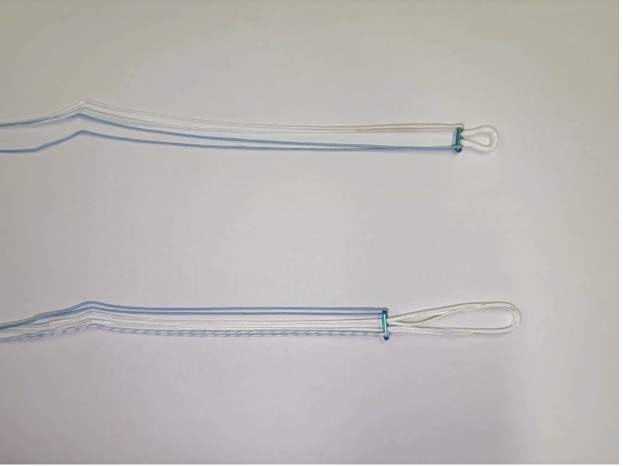
ACL Reconstruction Solution2
Conclusion
ACL reconstruction aims to restore knee stability by replacing the torn ACL with a tendon graft. Graft fixation is a key component of the procedure, as the fixation construct maintains the graft in position during the early stages of healing.
Interference screws, cortical buttons, and other fixation methods each have different mechanical principles and applications. The appropriate choice depends on graft type, bone quality, tunnel configuration, surgical technique, and surgeon preference.
Understanding these fixation principles can help healthcare professionals evaluate ACL reconstruction systems and select fixation options appropriate for different surgical approaches.
FAQ
How is a torn ACL reconstructed?
A torn ACL is generally reconstructed by replacing the damaged ligament with a tendon graft. The graft is positioned through femoral and tibial bone tunnels and secured using an appropriate fixation technique.
What is ACL graft fixation?
ACL graft fixation refers to the method used to secure the tendon graft within the femoral and tibial bone tunnels during ACL reconstruction.
What are the common ACL graft fixation methods?
Common methods include interference screw fixation, cortical button fixation, suspensory fixation, and suture-based or combined fixation techniques.
Is an interference screw used for ACL reconstruction?
Yes. Interference screws are commonly used to secure ACL grafts within bone tunnels, depending on the graft type and surgical technique.
What is a cortical button used for in ACL reconstruction?
A cortical button provides suspensory fixation by securing the graft against the cortical surface of the bone. It is frequently used for femoral graft fixation in certain ACL reconstruction techniques.